Discovery
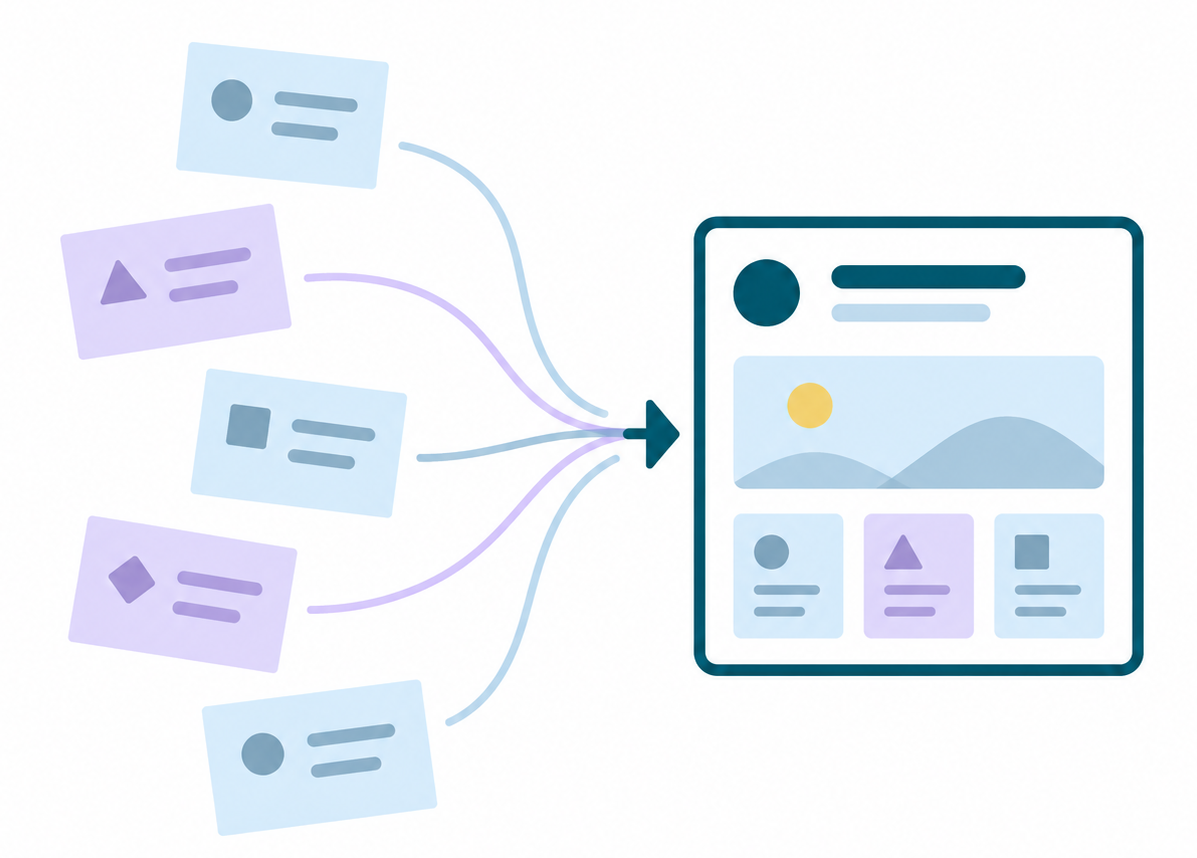
Rather than beginning with interfaces, the research focused on understanding how work actually happened.
Field Observation
Observed employees in their day-to-day work to uncover hidden workflows and everyday workarounds.
Research Synthesis
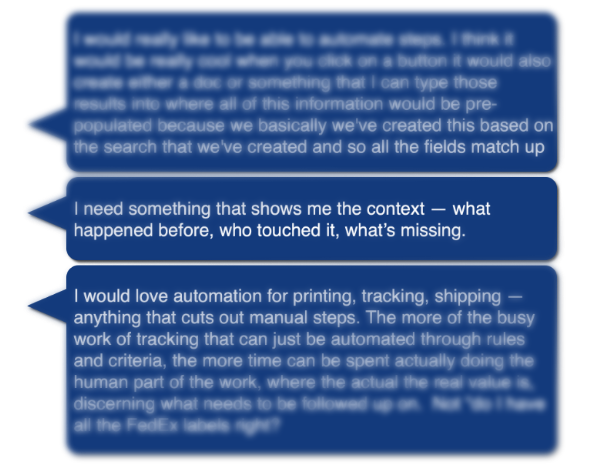
I developed a coding framework, systematically tagged observations across participants, and quantified recurring themes to revealed patterns across different roles.
Behavioral Personas
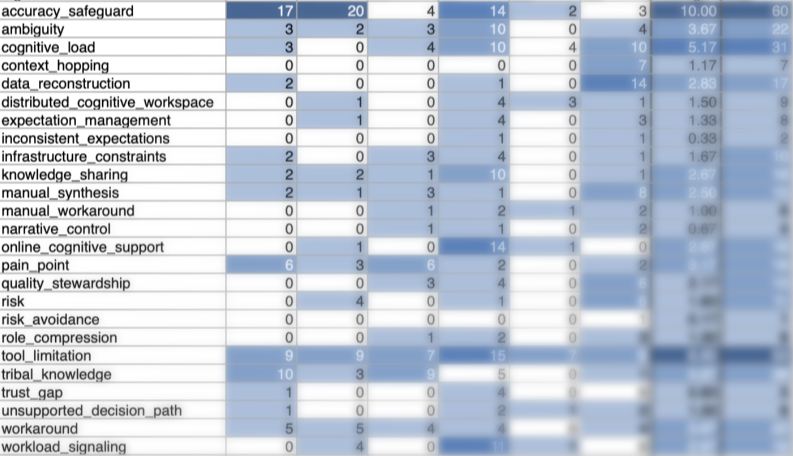
From the research, cognitive and behavioral profiles emerged that captured what drove each person, slowed them down, and what they need most from a better workflow.
Insights
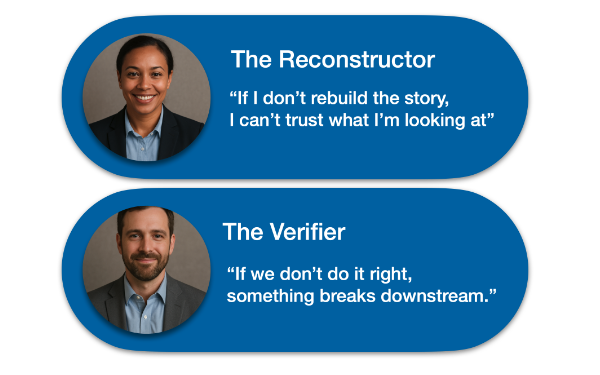
The current system was merely acting as "electric paper" — a place work was recorded rather than actively supported.
What we discovered
The real work wasn't happening in within their system
The “official” tool is not the cognitive tool but rather a presentation layer. Everything important leaks out into email, PDFs, notes, folders, and personal habits.
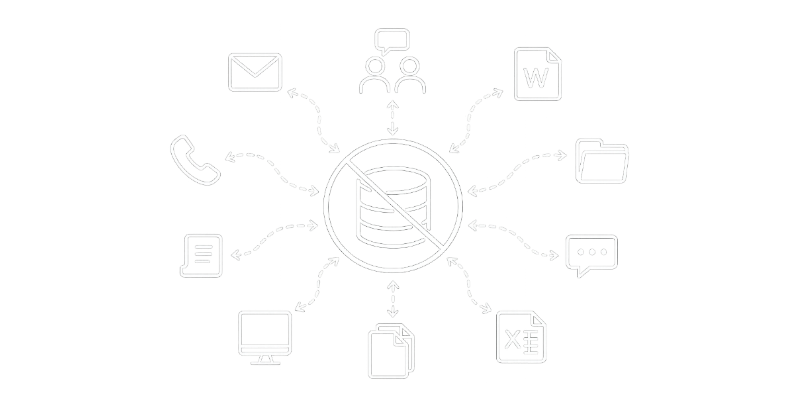
Cognitive load was unsustainably high
The system organized information vertically, but the work happened horizontally. Employees had to reconstruct context across multiple tools before they could make even simple decisions.
The system should surface context, rules, and required actions at the moment they're needed instead of relying on worker memory.
Tribal knowledge led to fragile workflows
When expertise lives in people instead of the platform, onboarding slows down and errors multiply.
Tribal knowledge must be captured in the system, not in heads. The new system must become organizational memory.
What it means for the future of the platform
People are the organization's competitive advantage
Throughout the research, one thing stood out: people genuinely cared about their work and about helping one another succeed. Rather than replacing that expertise, the new platform should amplify it by removing friction and making hard-earned knowledge easier to share.
Operational knowledge should be embedded
The platform needed to consolidate work artifacts, communication, documents, and status updates into a single source of truth.
The system should support decisions, not store information
Workers shouldn't have to reconstruct the story of an order before they can move it forward. The system should surface the right context at the moment decisions are made.
Turning Insight into Strategy
With a shared understanding of the work, we shifted from identifying problems to planning how a new platform could better support them.
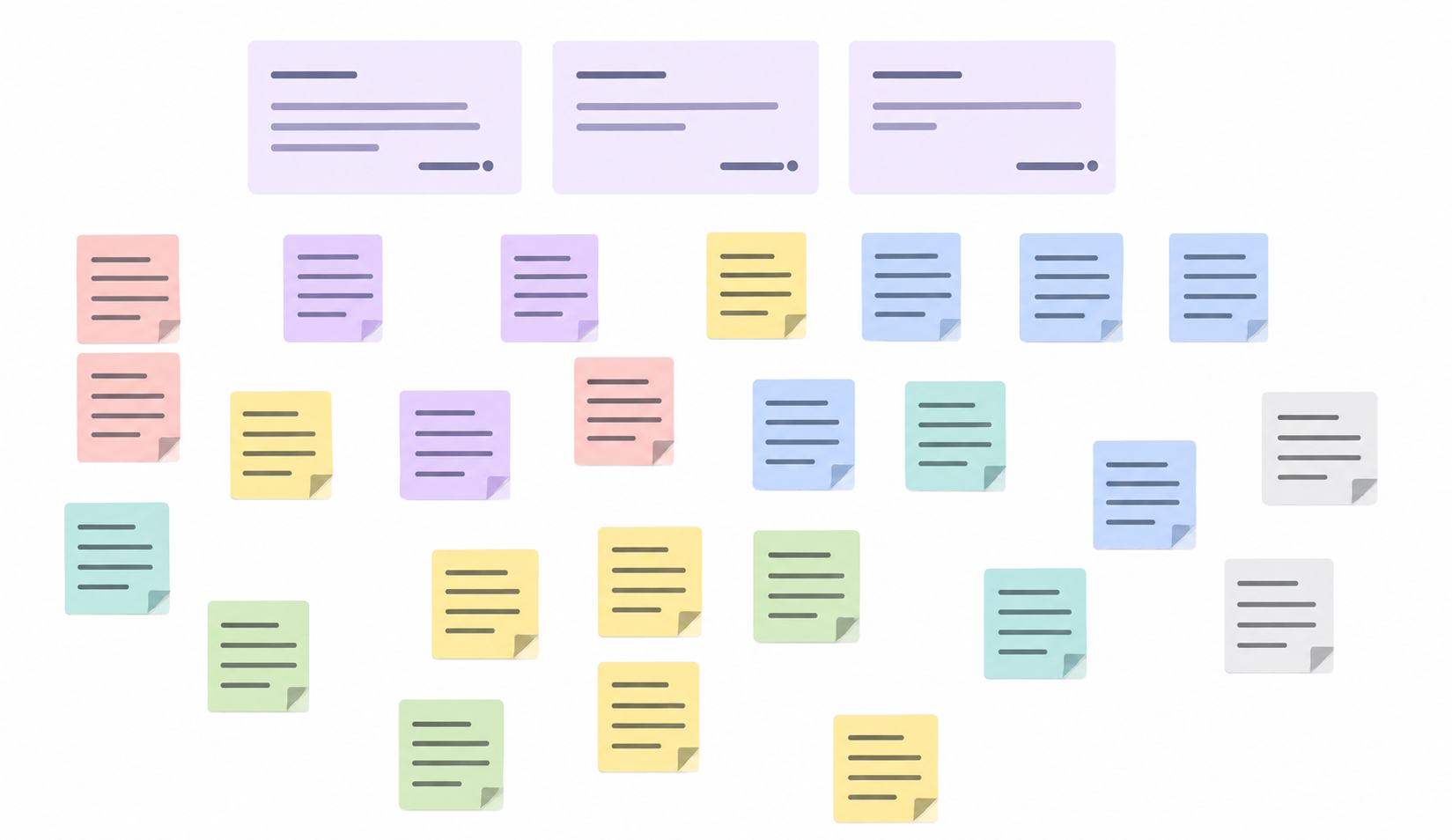
Prioritize Opportunities
Together, we translated research into prioritized opportunity areas that guided the next phase of design.
Storyboarding
Cross-functional teams storyboarded realistic future workflows to explore how a new platform could support work rather than simply record it.
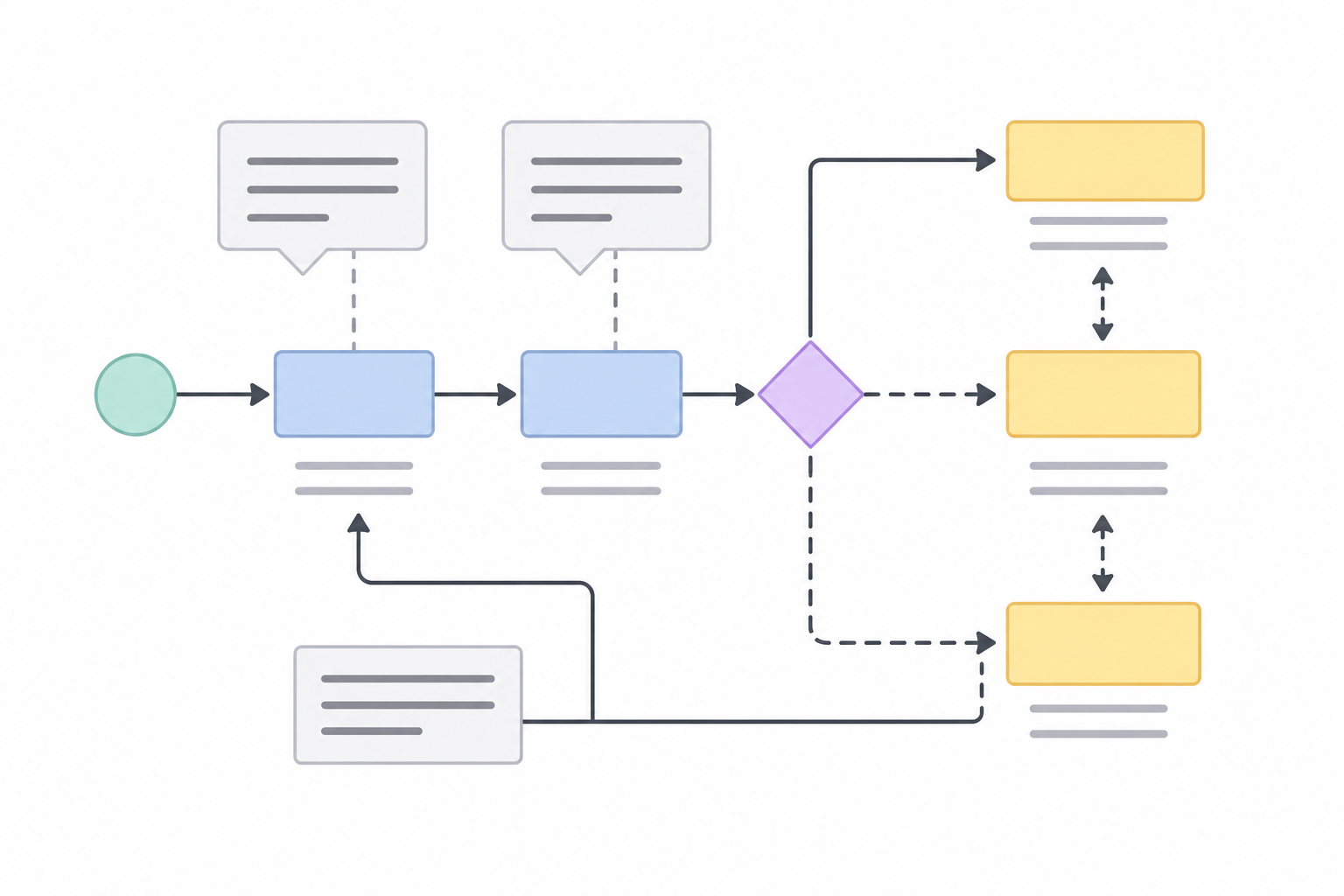
Define future state capabilities
Synthesized storyboards into platform capabilities, automation opportunities, and design requirements for the implementation team.
Principles of a Future Platform
Amplify Human Expertise
The organization's competitive advantage isn't its software—it's the knowledge, dedication, and collaboration of its people. The future platform should amplify those strengths rather than replace them.
Focus on work, not features
Organize the product around how work flows rather than around isolated features. The interface should provide the right information, at the right moment, with the least cognitive load.
Shared Vision
The research gave the product team a foundation rooted in real work rather than assumptions about how work should happen.
Research Throughout Design
Research continued beyond initial discovery. I investigated proposed features with employees and subject matter experts, then tested prototypes to understand how well they supported real work.
Feature Discovery
Before designing each proposed feature, I explored current practices, business rules, and exceptions with employees and subject matter experts. These conversations clarified the underlying need and informed workflow and design requirements.
Task-Based Usability Testing
I conducted five usability sessions covering intake, order setup, and search workflows. Realistic tasks revealed where participants understood the proposed interactions, where they hesitated, and where the design conflicted with their expectations.
Findings into Refinements
I synthesized findings into recommendations for clearer intake actions, assignment controls, contextual guidance, and search tools. For example, testing revealed that “Validate Order” undermined trust, prompting a clearer “Create Order” action.